


[Press Release] Space Shift Launches “SateBiz Advanced,” an Intensive Program to Help Companies Decide Whether and How to Use Satellite Data in Their Business
– Supporting Decision-Making on Satellite Data Use, from Defining Business Challenges to Deciding Whether to Proceed to a PoC –
Space Shift, Inc. (Head office: Chiyoda-ku, Tokyo; CEO: Naruo Kanemoto; “Space Shift”), which uses satellite data and AI analytics to visualize changes and risks on the ground, launched “SateBiz Advanced,” a new paid program under its satellite data business co-creation program SateBiz, on November 19, 2026. The program works closely with each company on its own business and operational challenges, supporting it all the way to deciding on a policy for using satellite data and designing a proof of concept (PoC).
Over approximately 1.5 to 2 months, the program proceeds step by step through understanding the current situation, defining the challenges, assessing the potential for satellite data use, and deciding whether to proceed to a PoC. At the final session, attended by the company’s decision-makers, the participants agree on a policy for future use. If the review finds that using satellite data is not effective for the company’s business, or that it is premature, the program can be ended partway through; in that case as well, Space Shift provides a report detailing what was examined and the results. Companies that are not registered with SateBiz can also apply.
■ Finding out whether to use satellite data in your own business
Space Shift launched the satellite data business co-creation program “SateLab” in May 2024 and renamed it “SateBiz” in July 2025. Since then, it has worked with companies outside the space industry to create new businesses by combining satellite data with the ground data and assets those companies hold. As of November 19, 2026, 87 organizations have registered, including companies from a wide range of industries such as infrastructure, construction, real estate, insurance, finance, energy, and agriculture, as well as local governments. SateBiz also offers opportunities to learn about satellite data through the free introductory course “SateBiz Learn” (launched on October 28, 2025, under a former name), study sessions, and API hands-on sessions.
Through these activities, we have often heard comments such as: “We want to use satellite data, but we can’t picture where it would fit in our business”; “Even after taking courses, it doesn’t lead to a PoC or a new business in our company”; and “Our frontline teams are positive, but we can’t define success criteria or cost-effectiveness to present to management, so we can’t get approval for a PoC.”
We believe the challenge in advancing the use of satellite data lies less in understanding the technology itself than in the stage of applying it to one’s own challenges and deciding whether to use it. SateBiz Advanced was developed to support each company individually through this stage.
■ Overview of SateBiz Advanced
| Name | SateBiz Advanced |
| Positioning | A paid menu of the satellite data business co-creation program SateBiz |
| Prior knowledge | Not required (a basic course on satellite data is provided on Day 1 of the intensive program) |
| Participants | Staff in departments considering the use of satellite data in existing businesses (participants from multiple departments are welcome), and the decision-makers involved |
| Duration and format | Approx. 1.5–2 months, consisting of two in-person intensive sessions (half a day each) and two work phases (the PoC takes place outside the program period and is scheduled separately) |
| Deliverables | A report on satellite data use (including operations where it may be applicable and cost-effectiveness information; provided even if no PoC is carried out), PoC design documents, etc. |
| Who can apply | Anyone (including companies not registered with SateBiz) |
| Fees | Please contact us for details |
■ Key Features
1. Starting from each company’s operational challenges
Rather than a standardized course, this is a dedicated program for each company. After learning about the current state of the company’s business and operations through a preliminary interview, we begin by examining the challenges to be solved, rather than starting from the assumption that satellite data will be used.
2. Defining “success” before the PoC
The outcomes the company aims to achieve with satellite data are set in advance as success criteria, and the expected cost-effectiveness is organized at the same time. With clear criteria for deciding whether to proceed to a PoC, the company gains material it can use for internal explanations and approval.
3. A built-in point to stop, and a decision-making session attended by decision-makers
A decision checkpoint is built in at the stage of assessing the potential for satellite data use. If it is determined that using satellite data is not effective for the company, the program can end at this point, and Space Shift still provides a report detailing what was examined and the results (fees in the event of early termination are explained in advance). In the final intensive session, attended by decision-makers, the company decides whether to proceed to a PoC and agrees on a policy for future use.
■ Program Flow
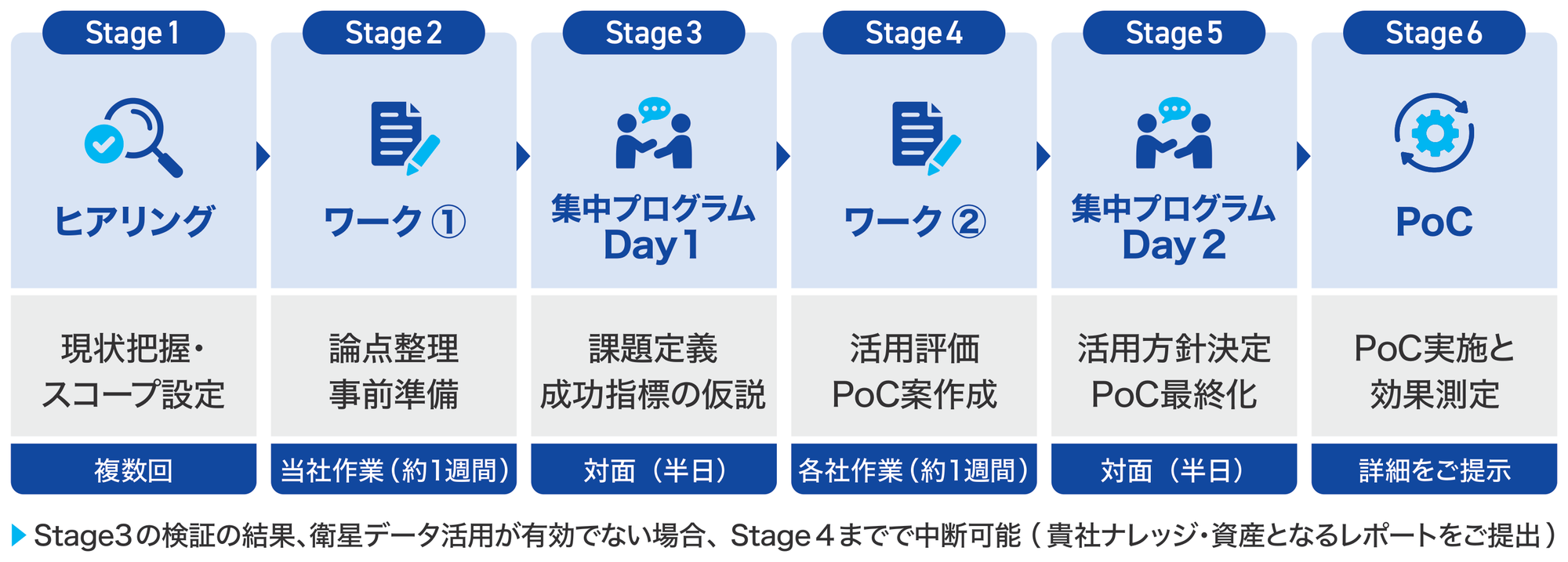
Figure 1. Program flow of SateBiz Advanced (Japanese)
1. Interview: Learn about the current state of the business and operations, and decide the scope of the review
2. Work 1 (preparation): Organize the key issues using a dedicated worksheet for the intensive program
3. Intensive Program Day 1 (in person, half day): Basic course on satellite data; structure the challenges and form hypotheses for success criteria
4. Work 2 (assessment of potential use): Make the success criteria more specific and organize the expected cost-effectiveness. Space Shift’s business and technical teams examine and assess the potential for satellite data use
5. Intensive Program Day 2 (in person, half day): Report the results and decide, with decision-makers present, whether to proceed to a PoC
6. PoC (separate): Verify with actual data to obtain material for deciding on implementation in the business
* The PoC takes place outside the program period.
■ Comment
Naruo Kanemoto, CEO, Space Shift, Inc.
“Through SateBiz, we have come to appreciate how strongly companies want to use satellite data. At the same time, we have seen that the hardest step is translating that desire into their own business and moving forward to a PoC and implementation. In this program, rather than starting from satellite data, we start from each company’s challenges and work together to determine whether to use it and, if so, how. We will work alongside companies to turn ‘we want to use it’ into ‘it becomes a business.’”
■ About SateBiz
SateBiz is a co-creation program that aims to create new value and businesses together with companies outside the space industry by combining satellite data with ground data and assets held by companies in Japan and overseas. It offers menus including the free introductory course “SateBiz Learn” and the paid program “SateBiz Advanced.”
SateBiz Learn (press release, October 28, 2025; Japanese only): https://www.spcsft.com/news/2637/
About Space Shift, Inc.
Company name: Space Shift, Inc.
Head office: Otemachi Building 6F, 1-6-1 Otemachi, Chiyoda-ku, Tokyo, Japan
Representative: Naruo Kanemoto, CEO
Established: December 2009
Business: Satellite data analysis system development, satellite data analysis services, and research and consulting for space-related businesses
URL: https://www.spcsft.com/en/
Inquiries regarding this release
Space Shift, Inc. (Contact: Tada, Taguchi, Mashima)
Email: pr@spcsft.com
